Monday, September 5, 2011

Cancer Growth and Detection Techniques

The speed of development of cancer cells in the body is different from the speed of development of cancer cells during malignant condition. Generally, in two circumstances, the cells in our body would grow faster than they normally develop. The first situation of speed growth is, actually, all human body are developed from a single cell through the process of cell division from a single cell for approximately 10 months and after birth also this growth continues until we reach puberty or physical maturity. The second situation of normal speed development of cells occur at any time when one gets injured either by physical reasons or by any accidents, the injured cells try to recover them from the harm and repair and restore them to the normal state by a speed
development process of cells. In either of these two situations, body cells start to grow to a certain amount and stops the development process and this happened by the order of some genes in the body. In the second case, one may remain with a scar in the body on the wound site, that's all.

But, cancer is different from either of the above-mentioned states of body. When one is prone to cancer, the specific gene that is the cause to stop the growing process stops its action and so abnormal number of cells start to grow in the same place or in the same organ. This unusual cell division starts and continues in an uncontrolled manner.

Cancer, in acutalsense, starts from a single abnormal cell. This cancer cell starts to divide again and again in an uncontrolled way at different speeds. The amount of cancerous cells growth get doubled or tripled in just a few weeks' time. Some cancer cells are slowly developing kind and these type of cancer cells may double them in a few months period. If unnoticed, the cancer cells grow in millions, but these growth and changes may happen silently. If yet unnoticed, the cancer may grow to a level of what we can feel outside the body and then we may run to the physician for a test. A radiological examination after that can reveal the presence of cancer inside the body. In this stage, millions cells may develop into billions of cells.

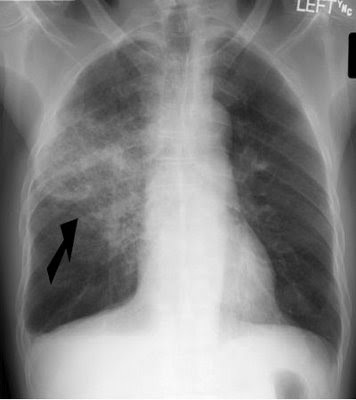
Any big tumors can be easily identified by x-ray method. Any small tumors can be identified by the new examination techniques, such as a CT scan or computed tomography, PET scan or positron emission tomography, and by an MRI or magnetic resonance imaging studies. Very minute cancers can be found by the blood tests and PSA tests etc.

Tags: breast cancer growth, lung cancer growth, epidermal growth factor cancer, cancer growth factors, growth factors and cancer, growth factors cancer, cancer growth rate, growth hormone and cancer, prostrate cancer tests, blood tests to detect cancer, diagnostic tests for cancer

Home page:

To go to the prior post, please click the link below.

What Are the Activities of an Abnormal Cancer Cell?

Cancer is an all-purpose terminological name for the defective development of cells. Generally a human body is a big accumulation of cells, and also all human bodies hold 23 pairs of chromosomes. Imagine if we go along every pair of chromosome, there we can find a repeat coil of the DNA molecule, the genetical draft for life. DNA is the master to control and conveyor of the biologically duplicated diagnostics in the chromosomes we get from our parents and carry it to our children.

In our body, the strands of DNA called chromosomes bear numerous of contrasting communications that inform the human body of about how it should give growth, move and act. One of the DNA portion narrates our digestive system how to execute gastic juice; and some other gene sets up the glands to secrete this juice
when food lands in the stomach. Some different genes colorize the eyes in human, determines lacerated cells how to furbish up those cells, as well as target the feminine breasts to produce milk afterwards a child is born.

To the highest degree of the time these kind of genes perform in good order and direct the accurate communication and so we can exist in complete health and all the organs in our body work well, even though there are an astounding number of genetic fragements named genes and they communicate a lot of inconceivable messages, as well as as the chromosomes in the genes multipy them, once a cell separates and also there are many chances for something erroneous to happen. As though the more than half of "wrong occurences" that happen during cell division or due to any change through outside reasons are restored via the body, in some cases if something happens while the cell split action and then a mutation that changes a few of the human genes.

A typical abnormal cancer cell that has a typical chromosome due to genetic alteration or harm. The changed gene begins to transfer the wrong transmitted communications or even communicate a different message from what it should transmit.


To go to the prior post, please click the link below

Tags: growth of cancer cells, growth rate of cancer cells, breast cancer stem cells, ovarian cancer cells, small cancer cells,  skin cancer cells, types of cancer cells

Pneumonia Symptoms

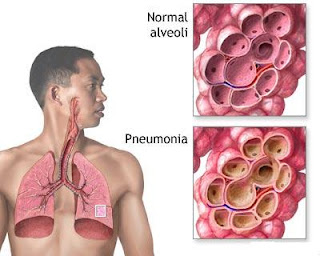
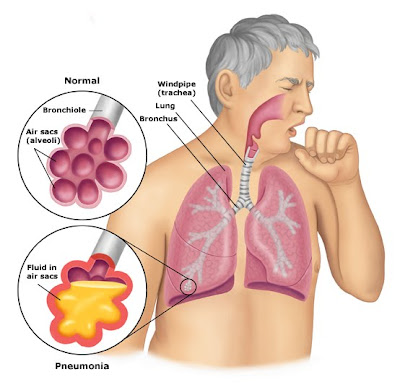
Pneumonia Symptoms, symptom checker, there are many people who do not know for a fact how does pneumonia affect them. Pneumonia is actually a bacteria that affects the tracheal region of a person, whenever they are under a severe attack of cold, and they do not have adequate protection.Pneumonia Symptoms
Before a while, pneumonia would have been a very fatal disease, as they had no known cure against it. But there is a vaccination of pneumonia nowadays, and it can help cure a lot of diseases along with pneumonia. Basically the children are in the fatal region of pneumonia, as their military system is not at all stable enough to handle such a disease.The basic symptom of pneumonia is to get a sore throat, that would always worsen day by day, making that person unable to speak after a few days. Running nose along with a splitting headache can also accompany pneumonia, and it would be a high time if you feel that you cannot do normal work properly, and you are mucus region in the nose is always being blocked. In such circumstances, mild fever along with pain in the chest may also occur, and you would have to consult a doctor for immediate medication. 

More About Pneumonia Symptoms

The symptoms of pneumonia mainly include chills, fever, and shortness of breath, and also cough accompanied with yellowisly green phlegm or occasionally blood. Chest pain when breathing can also be a symptom of pneumonia, which is a result of inflammation of the membrane that lines the lungs and chest cavity.The cough would be dry at the beginning of the illness, but later it is accompanied with phlegm that is often green/yellow or rust coloured and may be smelly. Pneumonia also is accompanied by flu-like symptoms such as fever, aches, and loss of appetite. The exact symptoms may vary depending on the type of micro-organism causing the infection and the extent of the infection.(Source : www.pneumoniasymptoms.org)

Pneumonia Pictures And Images

 PneumoniaPneumonia PicturePneumonia PicturesPneumonia Photos

Sunday, September 4, 2011

Skin Cancer - Squamous Cell Carcinoma (SCC) and Solar Keratoses

SCC is the second most common form of skin cancer. It primarily affects fair-skinned, blue-eyed people and particularly the elderly.

Squamous Cell Carcinoma - Description

SCC is a malignant tumour of squamous cells and can be found in many parts of the body. SCC of the skin develops from keratinocytes, the type of squamous cells that synthesise the protective keratin of the epidermis.

Squamous cell carcinomas usually occur in areas of previously sun-damaged skin and at sites of sun-induced actinic keratoses or (sun spots). Its appearance is more varied than Basal Cell Carcinoma (BCC), it grows faster and can metastasize (spread to other tissues of the body) if left untreated, making it more dangerous than BCC.

SCC is usually a red, scaling, well-defined plaque. It can eventually spread into the deeper surrounding tissues.

Invasive SCCs involve the lower dermis and subcutaneous fat and can vary in size from a few millimetres to several centimetres in diameter. Sometimes they grow quickly, but more commonly grow slowly over months or years. Unlike BCCs, they may be tender. Some SCCs have the appearance of sores that don't heal.

Many SCC's develop from solar keratoses, small scaly patches often found on the face, bald scalp, ears, hands and forearms of fair-skinned people.

SCC may also develop in burn scars and longstanding leg ulcers. Oral SCCs are often due to cigarette smoking.

Diagnosis of Squamous Cell Carcinoma of the Skin

As with all skin cancers, allopathic medical practice is to confirm SCC by biopsy.

Treatment of Squamous Cell Carcinoma

Treatment of squamous cell carcinoma depends on the size of the tumour, its location, and other factors such as if it has metastasized.

Treatment options include:

    * curettage (scraping off tissue with an instrument), with or without electrodessication. (Electrodessication uses an electric spark to destroy tissue)
    * cryosurgery (freeze burning with liquid nitrogen)
    * surgery (excision)
    * Moh's micrographic surgery
    * radiation treatment
    * chemotherapy

ACTINIC KERATOSES (or SOLAR KERATOSES)

Solar keratoses are premalignant disorders of the epidermis and are increasingly common. They are small, dry, scaly lesions commonly found on the parts of the body most often exposed to the sun - the face, head, backs of hands, and sometimes the lip (actinic cheilitis).

As with BCC and SCC, chronic sun exposure is the cause of actinic keratoses.

What happens if solar keratoses are left untreated? Approximately 2 to 5% of actinic keratoses may develop malignant cells and become skin cancer called squamous cell carcinoma.

Treatment

Conventional treatment is freeze burning with liquid nitrogen. For widespread areas a topically applied cream containing 5-fluorouracil (trade name Efudex) may be used for several weeks. Fluorouracil is a chemotherapy drug that is applied to the skin. It works by interfering with DNA synthesis.

The unpleasant side-effects of fluorourcil which are reddening and flaking of the skin with burning and itching symptoms may outweigh the benefits as this cream can be effective in clearing up widespread solar keratoses.

However it is worth being aware that it is a chemo drug that affects your DNA. Rarely questioned by doctors, Efudex should not be used by people with a deficiency of the enzyme dihyropyrimidine dehydrogenase (DPD). Current research shows that 8% of people have at least a partial deficiency in this enzyme. Potential for DNA damage is the concern.

But did you know there are other methods of treatment that can help? There are other tested and proven natural substances that can remove SCC and other skin cancer.

For example, bloodroot (Sanguinaria canadensis). This is the root of a plant that is used as a topical application. Many practitioners do not know how it works. I have even read articles from experts who claim that the mode of action is unknown. However, research shows that it works by disabling the mitochondria which is the power house of the cancer cell. This effect is profound on the cancer cell, but does not have the same result on healthy tissue. Regardless of how it works, bloodroot most certainly, and quickly, breaks down a skin cancer tumor. You can heal skin cancer such as squamous cell carcinoma safely using this substance and the correct method.

What happens is very quick; little 'dots' of dead white tissue appear, literally overnight. Then an area of necrosed tissue forms over the following few days. Once applications are stopped, this area dries up, forms a scab and falls off, leaving pink, healthy, new tissue underneath. All that then needs to be done is to encourage healing as with any minor wound.

Skin Cancer - Melanoma

Malignant melanoma is the rarest and most deadly form of skin cancer. It affects the melanocytes (the cells that produce melanin, the skin's pigment) and seems to be more prevalent among city-dwellers than among those who work outside. This seeming paradox is because scientific data indicates that episodic sun exposure resulting in burn is linked to melanoma, but constant exposure is not.

Melanoma does not necessarily occur in sun-exposed areas of the body which contributes to the belief that it is linked to brief, intense periods of sun exposure and a history of severe sunburn in childhood or adolescence.


Melanoma is a form of skin cancer that metastasizes easily making it often fatal if not treated early enough. Bear in mind, however, that all statistics of melanoma come from tissue that has been examined after some form of excisional treatment or biopsy. Melanoma becomes more common with increasing age but it still appears in younger people.

A melanoma can develop in any area of the skin or from an existing mole. A typical melanoma appears as a small darkened area of skin similar in appearance to a mole. It is recognisable as being different to a mole in four different ways known as the ABCDE of melanoma: Asymmetry, Border, Color, Diameter, Evolving.

Asymmetry: Most early melanomas are asymmetrical: a line through the middle would not create matching halves. Common moles are round and symmetrical.

Border: The edges of melanomas are often uneven and may have scalloped, notched, or blurred edges. A mole has a smooth, well-defined edge.

Color: The pigmentation of a melanoma is often not uniform, with more than one shade of brown, tan, or black. Moles are usually a single shade of brown

Diameter: A melanoma is usually larger than a mole, continues to grow and is often at least the size of a pencil eraser (about 6mm, or 1/4 inch, in diameter).

Evolving: Change in size, shape and color shade.

Types of Melanoma

Melanomas are described according to their appearance and behavior. Those that start off as flat patches (i.e. have a horizontal growth phase) include:

    * Superficial spreading melanoma (SSM)
    * Lentigo malignant melanoma (sun damaged skin of face, scalp and neck)
    * Acral lentiginous melanoma (on soles of feet, palms of hands or under the nails - under the nails is called subungual melanoma)

Melanoma skin cancers tend to grow slowly, but at any time, they may begin to thicken or develop a nodule. When this happens they progress to a vertical growth phase.

Melanomas that grow quickly, involving deeper tissues, include:

    * Nodular melanoma (presenting as a rapidly enlarging lump)
    * Mucosal melanoma (arising on lips, eyelids, vulva, penis, anus)
    * Desmoplastic melanoma (fibrous tumour with a tendency to grow down nerves) Melanoma may present in combinations e.g. nodular melanoma developing within a superficial spreading melanoma.

Treatment of Melanoma

Usual protocol for the treatment of melanoma is:

Biopsy to confirm.

Surgical removal with wide margins encompassing healthy tissue to ensure complete removal.

Surgical removal of lymph nodes if their involvement is suspected.

There are natural options. I have used them and seen them used on many people. The natural treatment of melanoma and other skin cancer is viable and effective. I have written a book outlining my experiences of using a herbal paste with bloodroot as one of the main ingredients. I do not sell a product, I merely present the information so that people have a source of information and can be self-informed enough to have the confidence to make their own decision.

Determining Skin Cancer Moles

People nowadays are likely to develop skin cancer moles because of long exposure to sunlight. The good news is that this type of cancer is the most curable if detected at the early stage. But if it is not treated, can result to death.

Moles are growth on the skin that is clustered and often brown, black or flesh-color and appears anywhere on the skin. The normal average of moles is from 10 to 40. However, an individual who have more than 100 moles are at risk to acquire melanoma.

Listed below are types of mole cancer:

• Basal cell carcinoma that is developed on skin that is sun-damaged which is likely to affect Caucasian.

• Melanoma which is the rarest form of skin cancer and if not treated will spread to the other parts of the body and will then lead to fatality and is blue in color.

• Squamous cell carcinoma is targeting fair skinned people but affects men than women.it can destroy tissues and is invasive. Causing health problems and if untreated will lead to death.

• Actinic Keratosis can lead to squamous cell carcinoma if not cured early. It affects fair skinned people, eyes that are blue, hazel and green and individuals who have blonde and red hair. People who have weak immune system are also susceptible to acquire this type of skin cancer. This mole is typically rough, pink or red patches and.5 inch in size.

• Actinic cheilitis or commonly known as "sailors lip" or "farmers lip". The lower lip is affected and can lead to squamous cell carcinoma. People that are fair skinned, elderly, men and those that use tobacco are affected. The growth of this skin cancer is accompanied by cracking on the lips and dryness.

Here are the guides to be able to identify if the mole on your skin is cancerous. The ABCDE are vital in enabling you characterize the risky moles.

• A - Asymmetry. If the other half of the mole is not the same in size, color, thickness and shape.
• B - Borders. The edges are irregular, blurred, poorly defined and rough.
• C - Color. Uneven shades of brown and black or the mole has added colors of brown, red, black, blue and white
• D - Diameter. A mole that is greater than 6mm or the size of a pencil eraser.
• E - Elevation. Part of the mole is raised.

If you are suspecting that you have skin cancer moles, it is important to consult a dermatologist. They are the ones who are capable of examining the mole if it can cause health problems.

There procedures that can remove the moles that pose risk to your health. Don't get sun exposure when the sun is shining at its hottest (10am-3pm) and apply sunscreen. Be aware of the changes and have a skin check regularly.


Is There a Cure for Skin Cancer?

Skin cancer is the most common form of cancer in humans, and it affects millions of people across the globe every year. This cancer is caused by over-exposure to the sun, radiation, carcinogens, and aging. There are three types: basal cell carcinoma, melanoma, and squamous cell carcinoma. All three pose a serious risk to your health, but melanoma is the most dangerous. Skin cancer is relatively easy to detect because it comes in the form of skin discoloration and abnormally colored or shaped moles; indeed, most skin cancer victims discover their condition on their own just by examining their skin (however, a diagnosis can only be made by a doctor).

Since many people are desperate to maintain their golden brown tans year in and year out, skin cancer remains a potent threat to public health because most people are not willing to take the link between sun exposure and UV rays and the development of skin cancer seriously-tanning is in and trendy, and people don't like going against the aesthetic curve. However, being an avid sun bather does not automatically lead to skin cancer, and it isn't the only cause. Skin cancer can also be caused by damaging free radicals from carcinogens and the unavoidable effects of ageing. Still, the best method of avoidance is to stay out of the sun or use only a strong sunscreen when out in the sun. Keep in mind that the decreasing ozone layer makes it more and more dangerous to soak up UV rays on the beach.

As with all forms of cancer, everyone wants to know: Is there a cure for skin cancer? Last year, a study conducted in the UK by researchers from Rush University Medical School in Chicago showed that a vaccine developed was able to completely cure 16% of those who used it and who were infected with advanced melanoma; for the rest of the group, the vaccine greatly improved the user's chance of remission. This does not definitively prove that skin cancer can always be cured, but it makes curing it an option. In addition to pharmaceutical cancers medication, there are many topical ointments that have been shown to relieve skins cancer. Cymilium, an over the counter insect bite remedy, has been shown to improve it's symptoms, and a variety of natural remedies such as aloe vera and vitamin D are also used. If you have skin cancer, any course of treatment you undertake should be at least discussed if not approved by a doctor, but whether you are interested in natural medicine or pharmaceutical-driven medicine, the chances of completely curing your cancer are slim, so in that sense, both sides of the medical aisle are worth a try.